The Bulgarian Folklore

Bulgaria, the jewel and the largest country of the Balkans

A country rich in ancestral culture and one of the oldest in Europe, it has traditions that are still rooted in today's culture. With nearly 6 major folklore regions, each one has its own dances and traditions.

From the Kukeri festivals to the tradition of Nestinarstvo, where people walk barefoot on burning embers in Burgas region mostly in towns such as Kosti, Rezovo, Brodilovo festivals are diverse.
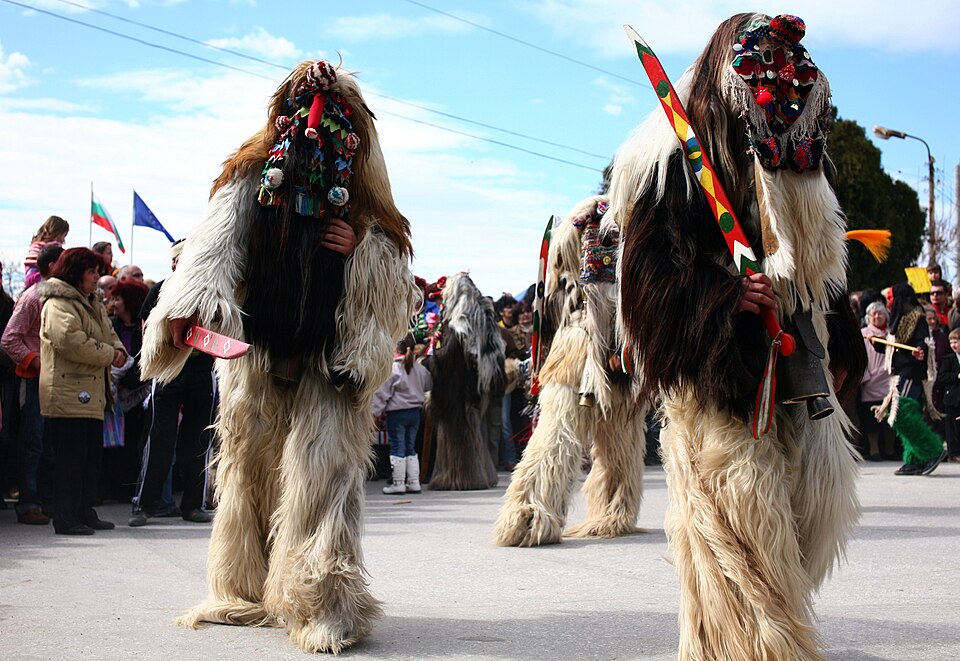
Kukeri in Bulgaria

Kukeri are traditional Bulgarian masked dancers.
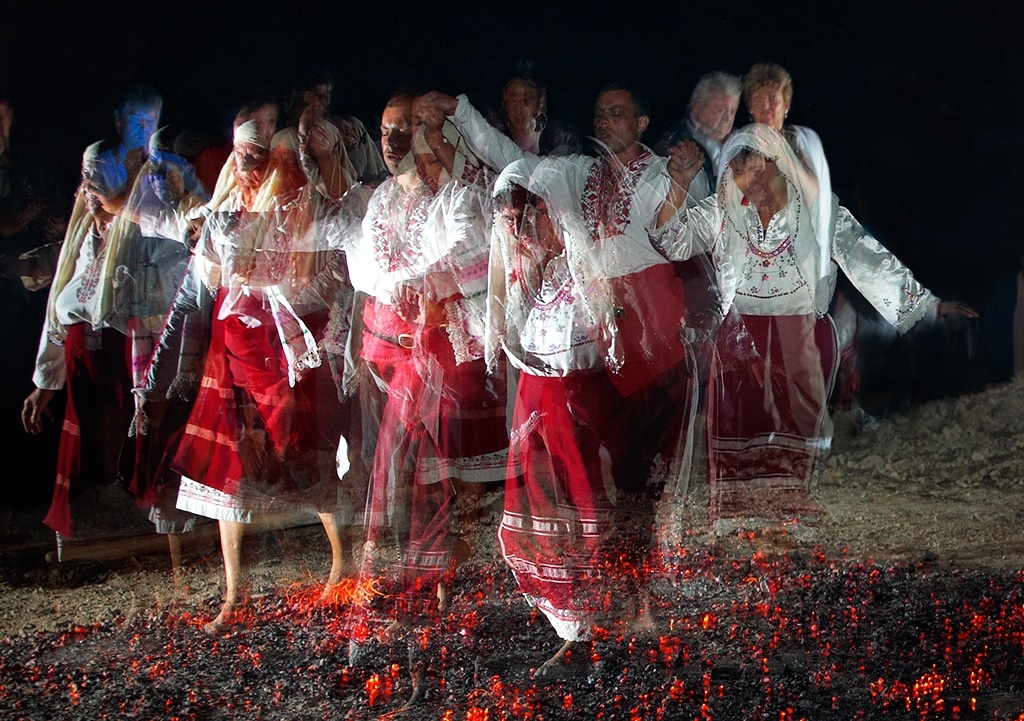
Nestinarstvo in Burgas

Nestinarstvo, walking on burning embers, Burgas region.

Let yourself be surprised and dive into the heart of Bulgarian folklore.
The 7 Folklore Regions of Bulgaria

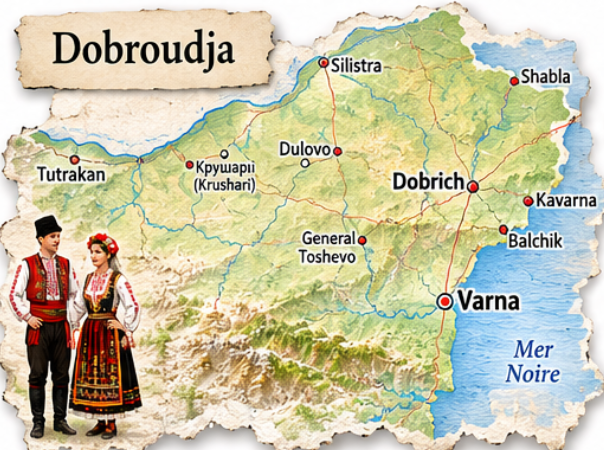
Dobroudja

Dobroudja is one of the most fertile regions of Bulgaria, especially known for its rich agricultural land and wheat production. Located in the northeastern part of the country, the region combines vast golden fields with the beautiful Black Sea coast.

Near Varna, visitors can enjoy pleasant seaside resorts and sandy beaches such as Kranevo, Albena and Golden Sands (Zlatni Plyasatsi), the oldest and largest seaside resort station in the country, where a golden beach stretches right at the edge of a forest, very good for both relaxing by the sea and wandering into the green. This unique combination of fertile plains, traditional villages and the Black Sea makes Dobroudja a region with a distinctive cultural and natural character.

Map of the Dobroudja folklore region

Severnyashka

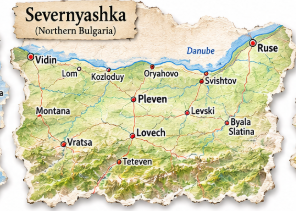
Map of the Severnyashka folklore region

Severnyashka is the green region of Bulgaria, stretching along the Danube plain in the north. Its folklore is shaped by the closeness to the river and by the open, flat fields that surround its villages.

The dances here are known for their calm, gliding steps, very different from the fiery rhythms found further south, and the region keeps a strong tradition of choral singing passed down through generations.

Shopluk

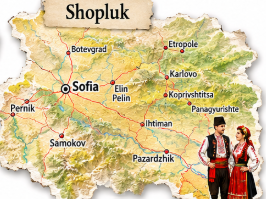
Shopluk is the region around Sofia, known for its distinctive dance rhythms and a folklore style that stands apart from the rest of the country, often built on fast, irregular meters that are considered among the most complex in Bulgarian tradition.

The Shopi are also known for their sharp sense of humor and a straightforward way of speaking, which shows up clearly in local sayings and in the lyrics of their songs.

Map of the Shopluk folklore region

Thrace

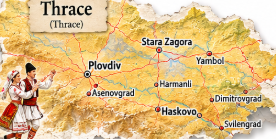
Map of the Thrace folklore region

Thrace is one of the most fertile and historic regions of Bulgaria, rich in ancient heritage and known for its wine and rose production, especially around the Valley of the Roses.

Thracian folklore is famous for its rich, ornamented singing style and for festive rituals tied to the harvest, reflecting a land that has been cultivated and celebrated for thousands of years.

Strandzha

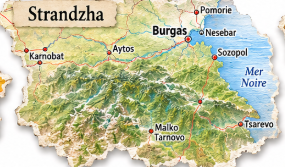
Strandzha is known for its Nestinarstvo tradition, where people walk barefoot on burning embers, in towns such as Kosti, Rezovo and Brodilovo.

Beyond the fire-dancing, the region is covered in ancient forest and keeps some of the oldest pagan-rooted rituals in the country, passed down quietly in small mountain villages near the Turkish border.

Map of the Strandzha folklore region

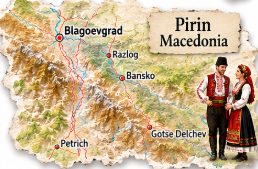
Pirin's Macedonia

Map of the Pirin's Macedonia folklore region

Pirin's Macedonia is my favorite region. I have roots here. It features the Rila Monastery, Melnik, the Struma River, and lies close to Greece.

The region blends mountain traditions with a strong Macedonian influence, giving its music a distinct, slightly melancholic color that sets it apart from the rest of Bulgarian folklore.

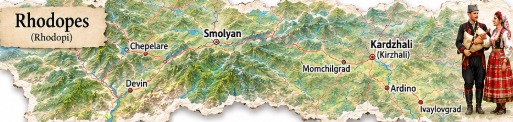
Rhodopes

The Rhodopes are a mountainous region known for their bagpipe traditions and deep folklore roots, among the most authentic in Bulgaria.

Legends say Orpheus himself came from these mountains, and the region is still home to isolated villages where old polyphonic singing styles have survived almost untouched by time.

Map of the Rhodopes folklore region
Want to discover the global map?