The Romans founded the city as Serdica, an important stop on the trade roads of the empire.
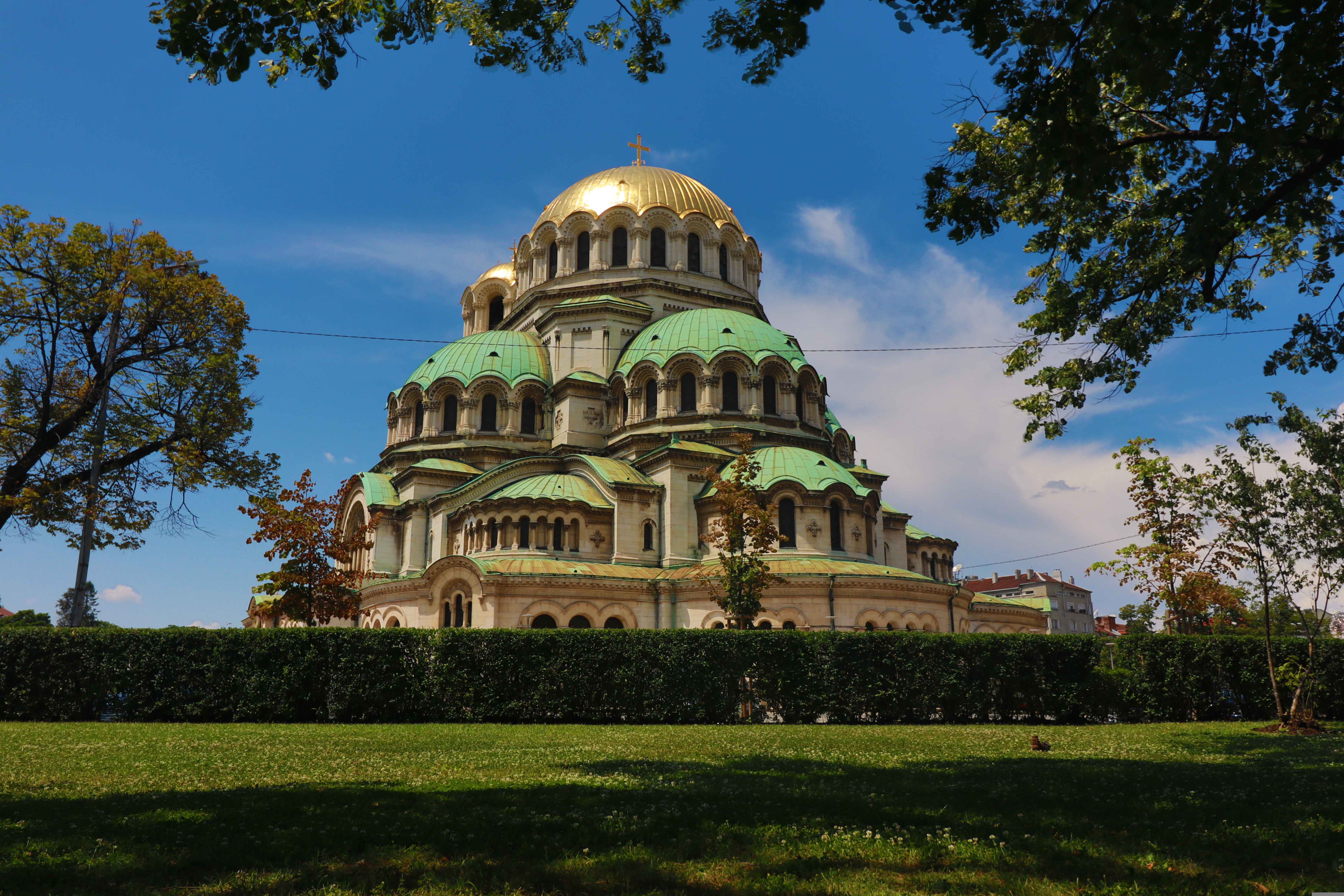
Sofia has been the capital of Bulgaria since 1879. However, this wasn't always the case throughout Bulgarian history.
Centuries ago, the capitals were Pliska, Veliki Preslav, and Veliko Tarnovo which remnants of Bulgaria's golden age (10th century), when the empire stretched all the way to the Black Sea, the Aegean, and the Adriatic.
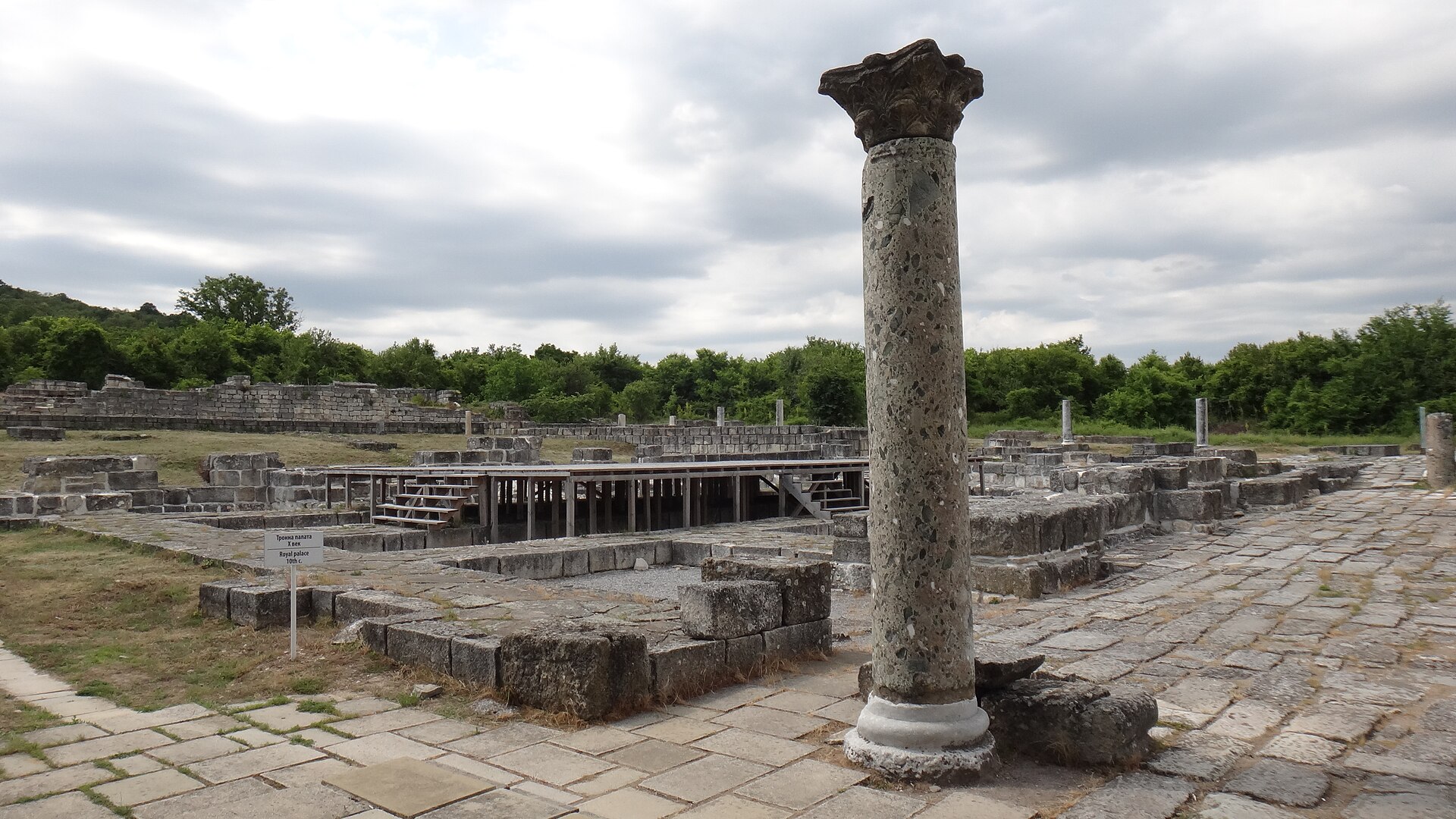
681. On the banks of the Danube, a warrior people from the steppes plant their standard. Khan Asparuh founds the first Bulgarian state. His capital: Pliska, a stronghold of earth and stone, the beating heart of a nation just being born.
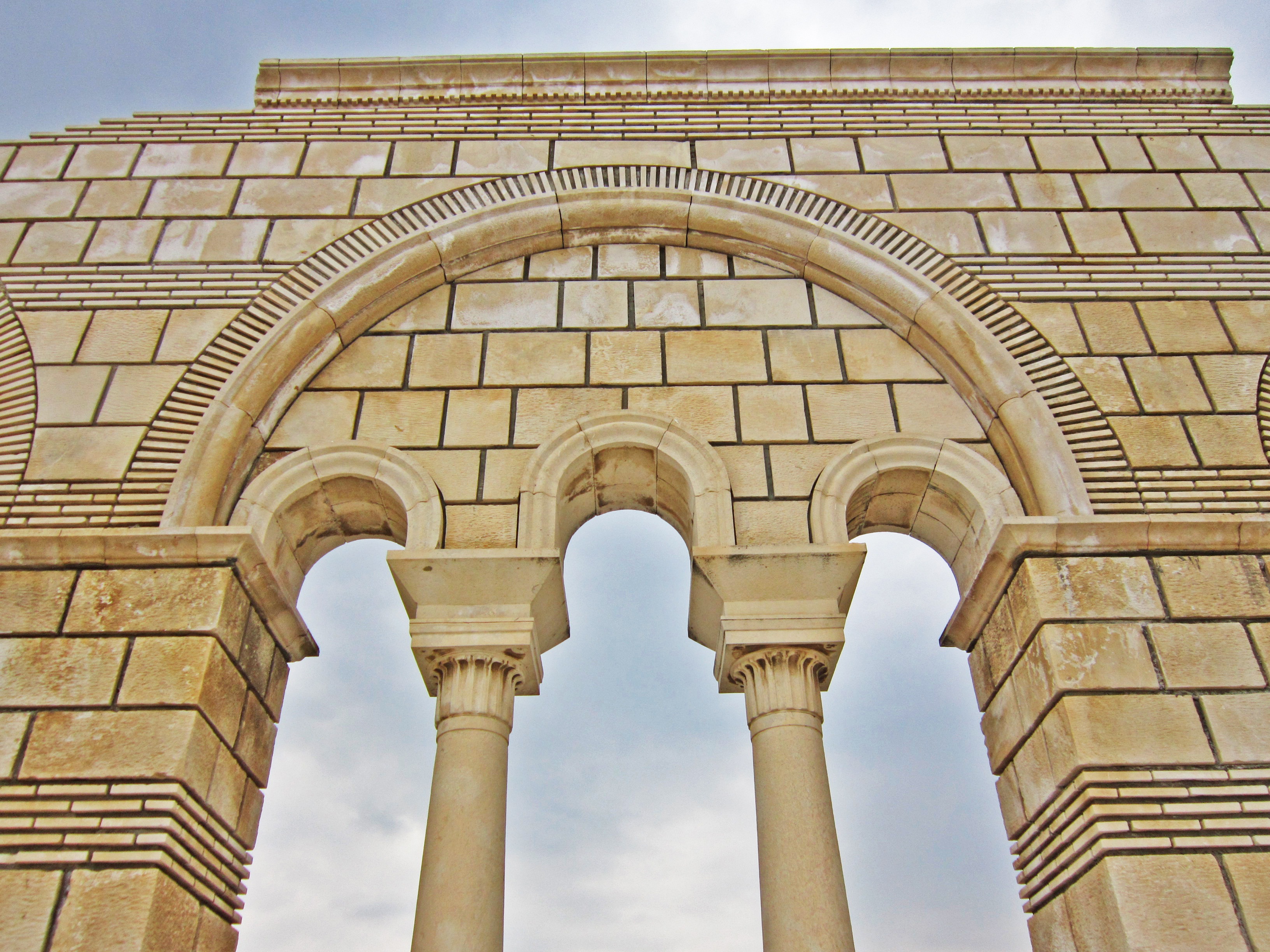
893. Two centuries later, power shifts. Tsar Simeon I dreams of a capital worthy of his imperial ambitions. Veliki Preslav becomes the new centre of the Bulgarian world.It was a city of letters, golden domes, and monastic silence.
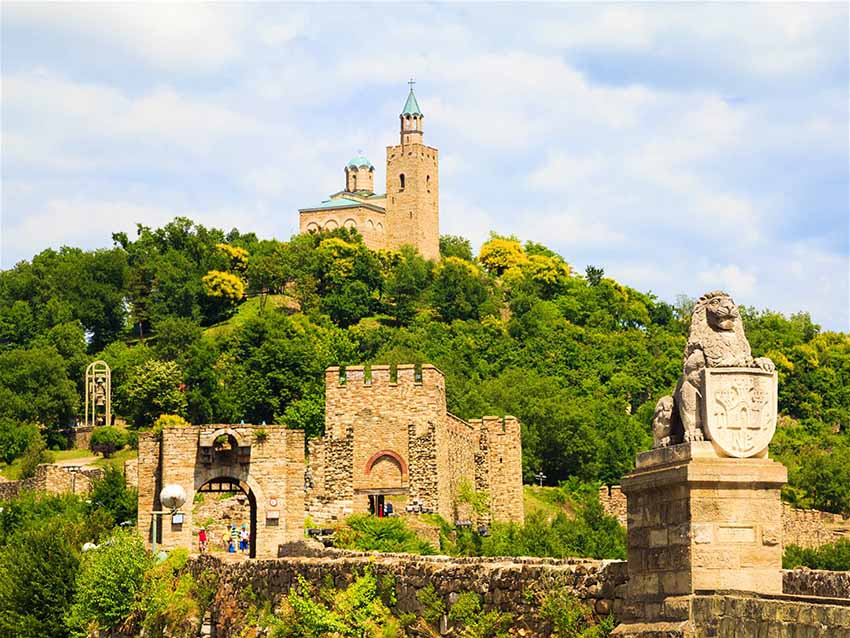
1185. After the fall to Byzantium, it's Veliko Tarnovo's turn to wear the crown. Perched on the heights, the fortress-city becomes the stage of the Second Bulgarian Empire, at its height under the Asen dynasty.
1879. The curtain falls on five centuries of Ottoman rule. A young nation rises from its ashes and chooses Sofia, a modest but strategic city, to write its new chapter. It hasn't left since.
Sofia
Tsarevets, Veliko Tarnovo
Pliska
Veliki Preslav
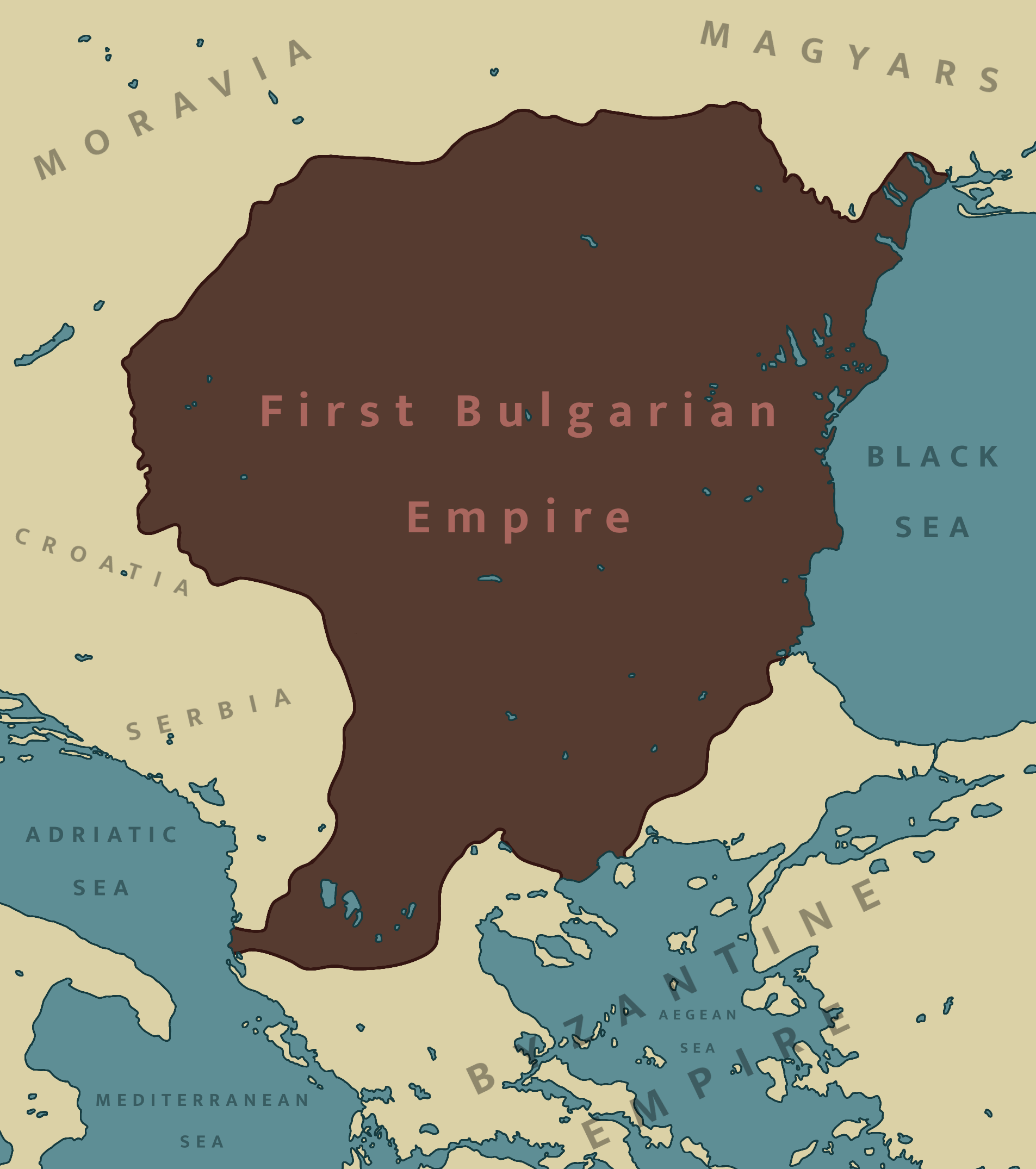
The Golden Age of Bulgaria: the First Bulgarian Empire under Tsar Simeon I the Great (893-927), its widest reach, stretching from the Black Sea toward the Adriatic.
Map: Simeon Netchev / World History Encyclopedia
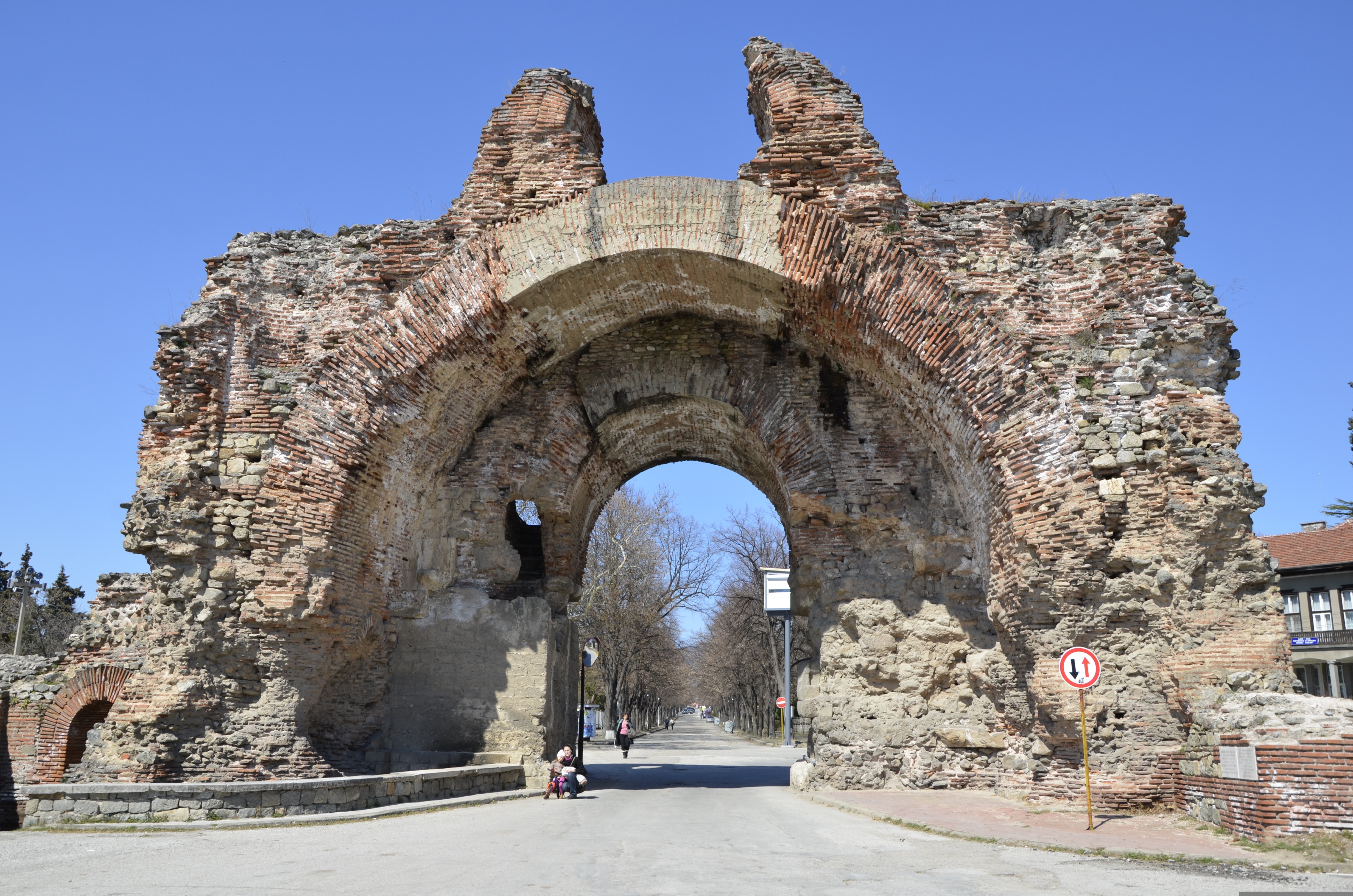
Hisarya, the old Diocletianopolis, is one of the best Roman sites in Bulgaria. It was built in the 1st century and became famous for its hot springs and thermal baths, some over 40°C. You can still see the old walls, gates and baths today, and the town still uses the water in its modern spas.
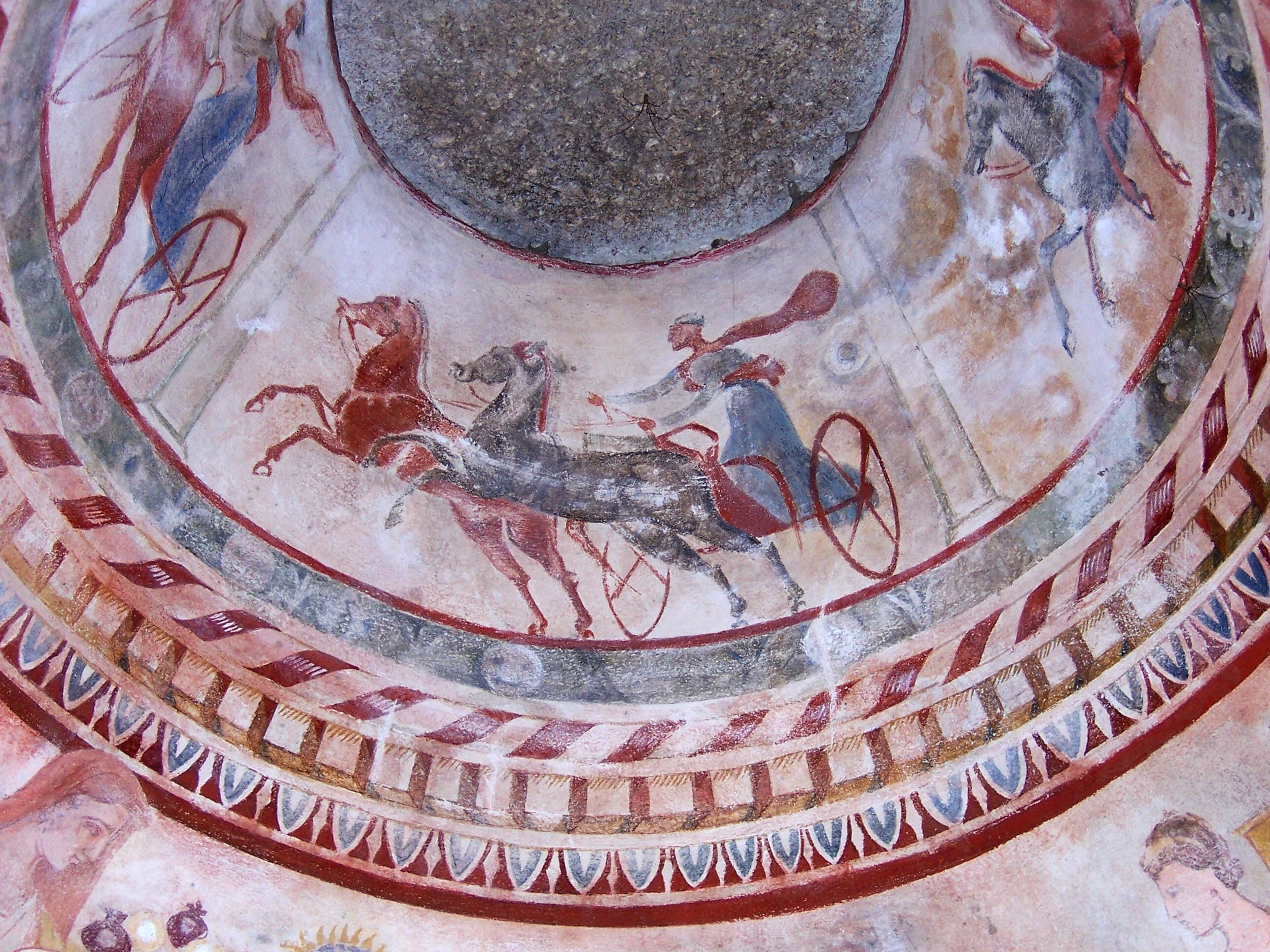
Kazanlak is known for the Thracian tomb found there, from the 4th century BC. Inside are paintings considered some of the best examples of Thracian art left in Europe, showing scenes of feasting, war and the journey to the afterlife. Nearby, the museum keeps objects found in the other Thracian tombs of the Valley of the Roses.
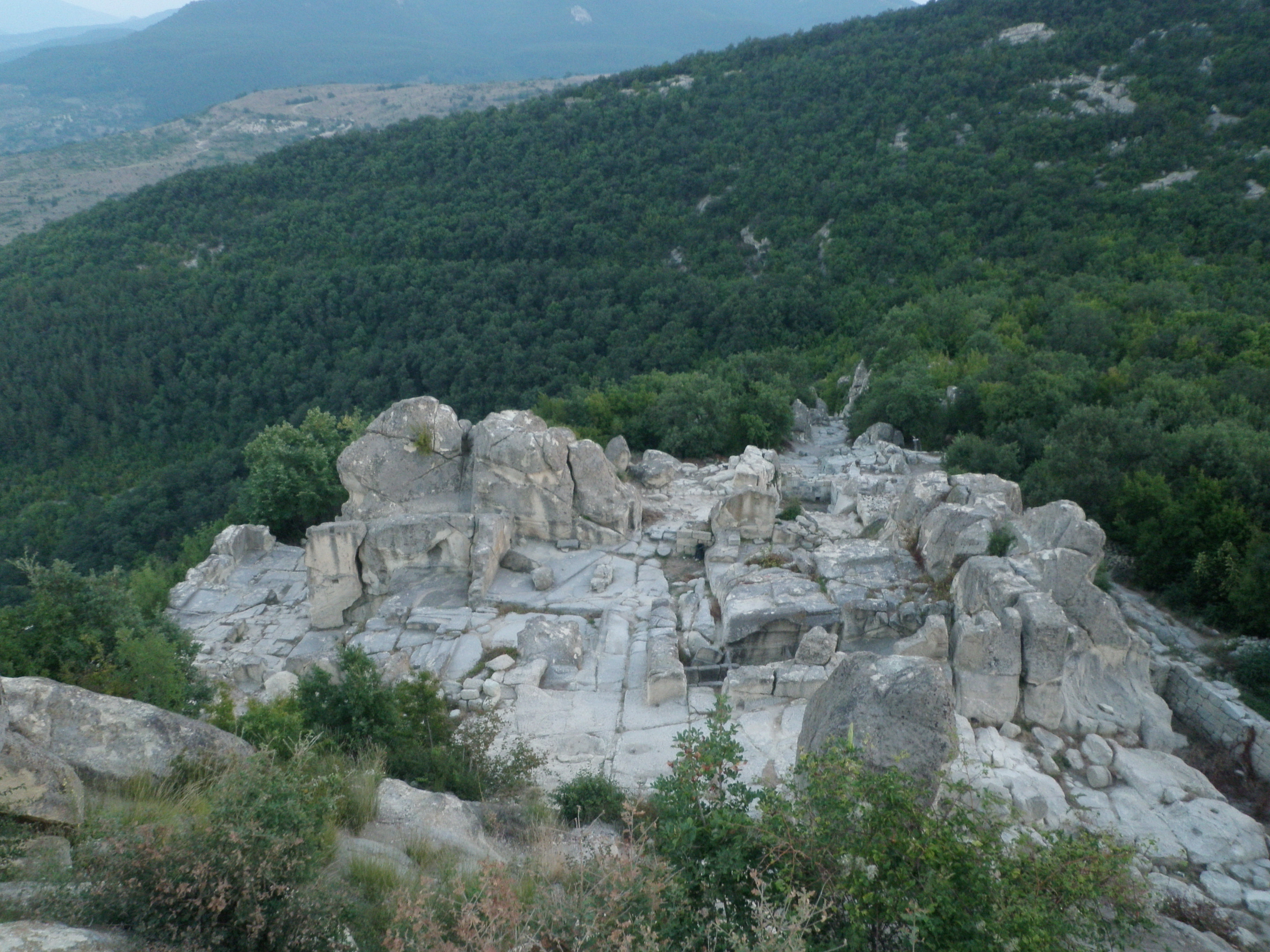
Perperikon is a rock sanctuary in the Rhodope mountains, one of the oldest inhabited places in Europe, going back to the 3rd millennium BC. The Thracians built a temple there, some say dedicated to Dionysus. People kept living on this rock through Roman and Ottoman times, so it's really a place where you can see thousands of years layered on top of each other.
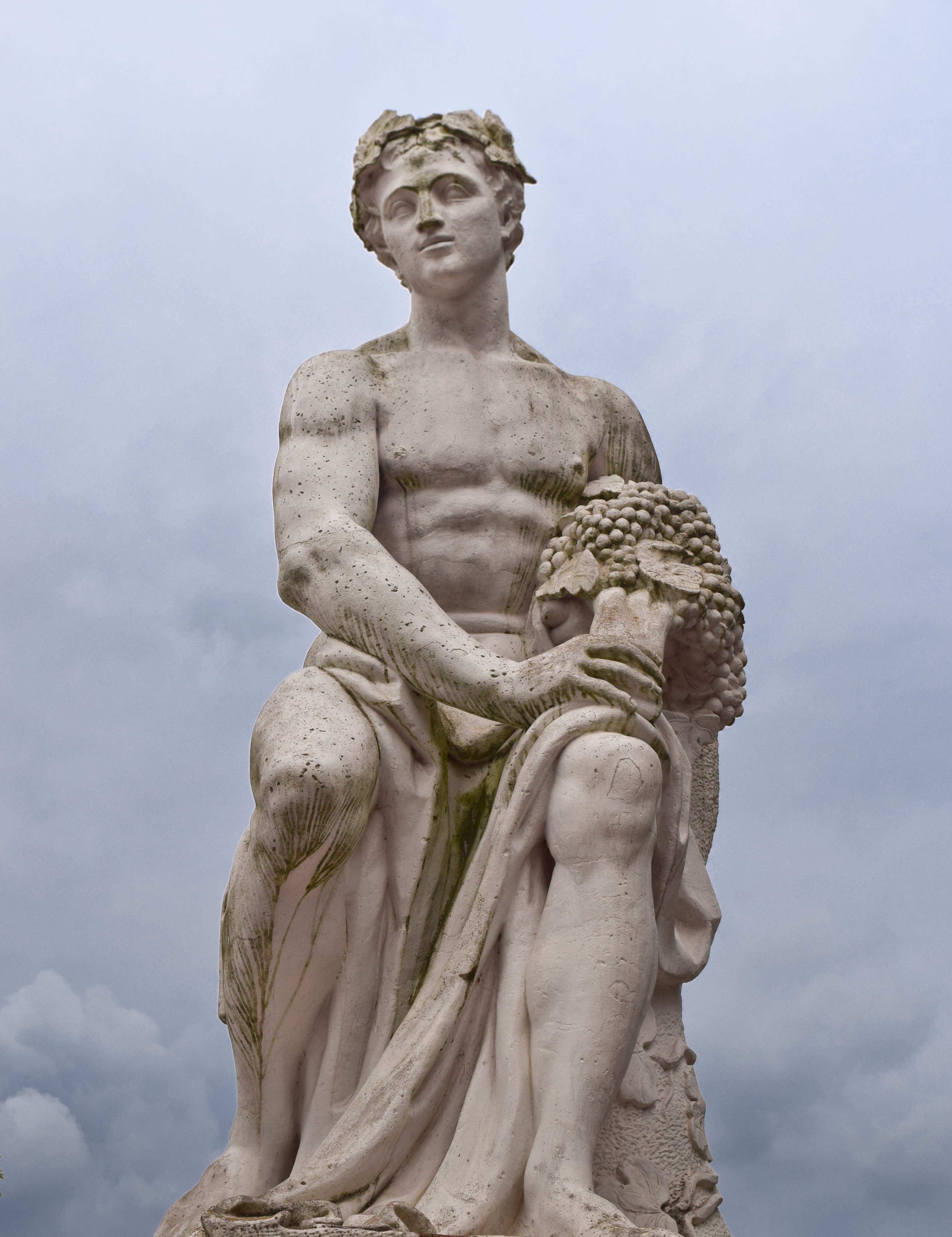
The Thracians worshipped gods like Dionysus, Ares and the mythical singer Orpheus. A lot of Greek myths actually come from Thracian beliefs. Their kings and warriors were known across the ancient world, and their goldsmiths made some of the finest jewellery of the time.
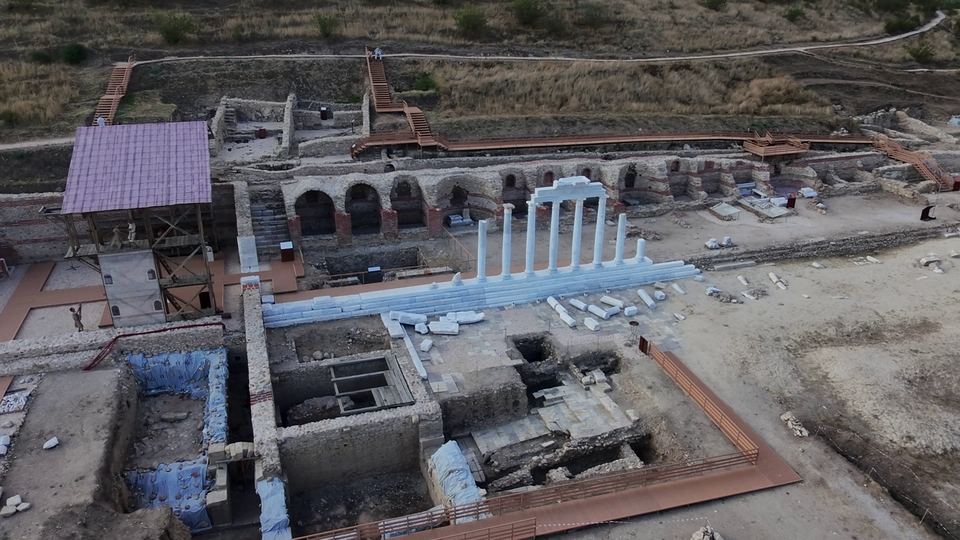
Heraclea Sintica was an important ancient city in the Struma River valley, on the border between Macedonia and Thrace. Founded by Philip II of Macedon between 356 and 339 BC, the father of Alexander the Great, it became a major centre of the region.
Named after Heracles and the local Sintian tribe, the city had its own agora, large public buildings and even minted its own bronze coins.
After a devastating earthquake around 388 AD, Heraclea Sintica declined and was eventually forgotten. Its exact location remained a mystery until 2002, when an inscription finally identified the site.
Since 2007, excavations have revealed an impressive ancient city, including its forum, basilica and numerous sculptures and inscriptions.
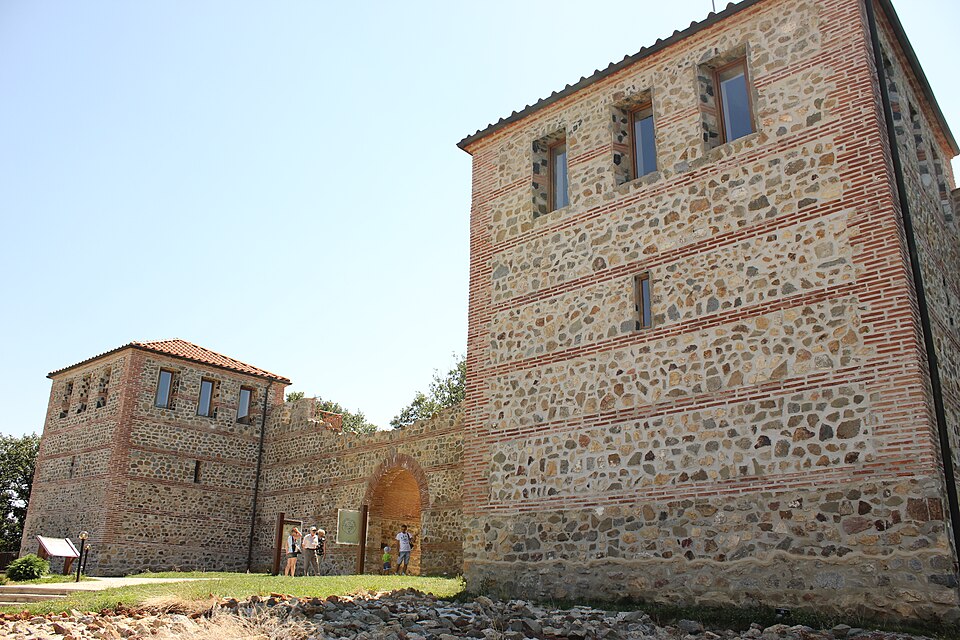
Situated on St. Spas hill near Belchin village, Samokov region, 1 hour from Sofia. This site originally served as an ancient Thracian sanctuary dating back to the 8th century BC.
Rebuilt as a Roman fortress and reinforced under Emperor Valens and Justinian I, it protected vital trade routes connecting Serdica (Sofia) and Philippopolis (Plovdiv).
The Romans founded the city as Serdica, an important stop on the trade roads of the empire.
Sofia became part of the First Bulgarian Empire, one of the biggest powers of medieval Europe at the time.
The golden years of Bulgaria: the empire was spread all the way to the Black Sea, the Mediterranean and the Adriatic, over what is today Greece, Macedonia, Serbia, Romania and Albania. But it was Veliko Tarnovo, Veliki Preslav and Pliska that were the capitals during this time, not Sofia.
Almost five centuries under Ottoman rule. Sofia stayed an important city, but not the capital.
After independence, Sofia was finally chosen as the capital, the one it still is today.